Mindfulness in the classroom can be beneficial to both teachers and students.
My daughter was extremely fortunate last year. Her fourth grade teacher was all about yoga, mindfulness, and keeping calm—and the ripple effects of that from the classroom to the home and beyond were impossible to ignore. She was able to incorporate so many of the strategies that were taught throughout the year in her own life whenever she felt stressed or upset. I decided to do some digging about the research associated with mindfulness in the classroom, and the results are staggering!
What is mindfulness?
Mindfulness is the practice of paying deliberate attention to the present moment. It means noticing your thoughts, feelings, bodily sensations, and environment with openness and curiosity instead of reacting automatically. For children (and adults), mindfulness is about learning to pause, breathe, and bring awareness to what’s happening inside and around them. It’s not about clearing the mind of all thoughts but rather noticing them and gently bringing focus back to the present.
How can mindfulness be incorporated into the classroom?
Mindfulness can be woven into the school day in simple, practical ways. Teachers might begin the day with a short breathing exercise, lead students through a body scan after recess to help them settle down, or encourage mindful listening during read-alouds.
It can also be as easy as having a “calm corner” where students can take a break, journaling time for reflection, or incorporating mindful movement like yoga or stretching.
Even brief check-ins—asking students how they’re feeling or what they notice about their thoughts—can help develop awareness and self-regulation skills.
The brain and mindfulness
Research shows that practicing mindfulness can literally change your brain. Areas related to emotion regulation, focus, and empathy—like the prefrontal cortex and the anterior cingulate cortex—can become stronger and more active with regular mindfulness practice.
Meanwhile, the amygdala, which triggers the fight-or-flight response, tends to calm down, making it easier for children to manage stress and strong emotions.
By teaching mindfulness, educators are helping students build healthier, more resilient brains.
The benefits of mindfulness in students
Mindfulness has many well-documented benefits for students. It can help reduce stress and anxiety, improve focus and academic performance, and strengthen emotional regulation.
Students who practice mindfulness often demonstrate greater empathy and kindness toward peers, leading to fewer conflicts and a more supportive classroom community.
Importantly, these benefits don’t end at the classroom door: the skills students learn can carry over into their home lives, friendships, and future challenges.
It’s an investment not just in learning but in lifelong well-being.
Five Small Mindful Moments to Try Right Away
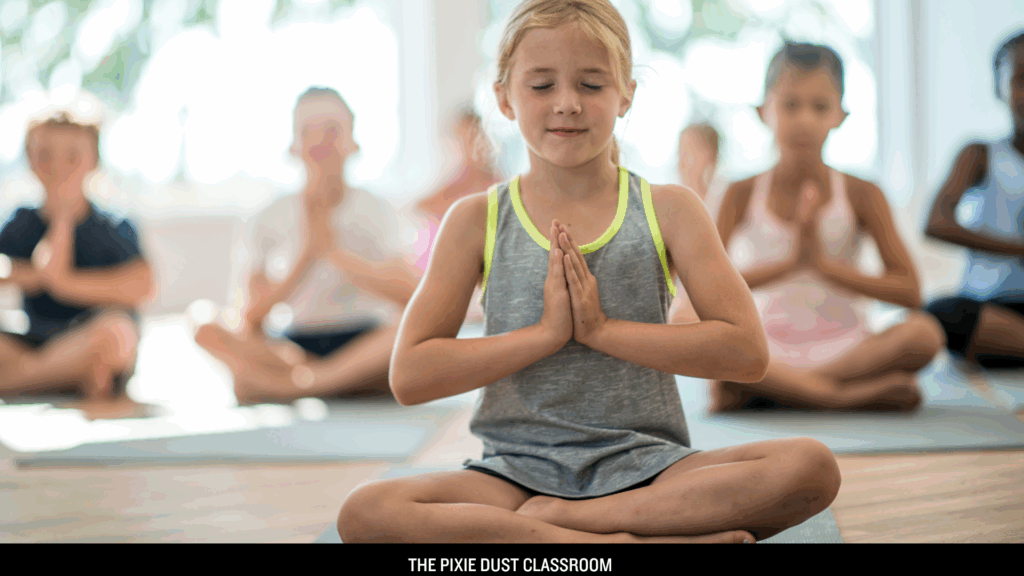
Finding time to incorporate mindful moments into your teaching can have lasting effects on both you and your students! Here are five small mindful moments that are easy to start using right away.
Mindful Breathing (1–2 minutes): Invite students to sit comfortably, close their eyes or lower their gaze, and simply notice their breath. You can guide them by saying, “Breathe in slowly… breathe out slowly,” helping them focus on the rhythm of their breathing.
Five Senses Check-In: Pause during the day to have students quietly list (in their heads or on paper) one thing they can see, hear, smell, taste, and touch. This quick activity grounds them in the present moment.
Gratitude Circle: At the end of the day or week, go around the room and have each student share one thing they’re grateful for. This practice shifts attention to positive experiences and feelings.
Silent Listening Minute: Ring a chime or set a timer for one minute of silence. Ask students to listen carefully to all the sounds they can hear—inside and outside the room. This exercise promotes focus and calm.
Mindful Transitions: Before switching subjects or coming in from recess, take 30 seconds to have students close their eyes or take a deep breath together. This helps them reset and prepare for what’s next.